
Starting a café is exciting, but choosing the right coffee machine can quickly become one of the biggest decisions you have to make. Buy a machine that is too small, and you may struggle during busy periods. Invest in equipment with more capacity than you need, and you could tie up money that would be better spent on rent, ingredients, staff and marketing.
So, what is the best commercial coffee machine for a small café in Nigeria?
The answer depends on the type of coffee you want to serve, how many cups you expect to sell daily, your available space and your startup budget.
At Everything But Coffee (EBC), café owners and aspiring coffee entrepreneurs can explore professional espresso machines, automatic bean-to-cup machines, grinders and equipment packages designed for different business needs.
In this guide, we’ll look at practical options to help you choose the right commercial coffee machine without overspending.
1. What Type of Coffee Machine Does Your Café Need?
Before comparing models, decide how you want your café to operate. Commercial coffee machines generally fall into two main categories.
Traditional espresso machines
Traditional espresso machines are ideal for cafés that want to serve espresso-based drinks such as cappuccinos, lattes, americanos and flat whites.
A barista grinds the coffee, doses it into a portafilter, extracts the espresso and prepares milk separately when needed.
Best for: Specialty cafés, independent coffee shops, dessert cafés and businesses where coffee quality and drink customisation are central to the customer experience.
The trade-off is that traditional espresso machines require a suitable grinder, barista training and more hands-on preparation.
Automatic bean-to-cup coffee machines
Bean-to-cup machines automate much of the brewing process. Depending on the model, they can grind coffee beans, prepare drinks at the touch of a button and dispense beverages consistently with less manual intervention.
Some commercial models also accommodate soluble ingredients such as powdered milk, chocolate or tea-based mixes.
Best for: Restaurants, hotels, offices, self-service stations and businesses that want a simplified drink preparation process.
Before buying, check the machine’s drink options, milk system, water requirements and recommended daily output. Not every automatic machine produces the same range of drinks.
2. Best Commercial Coffee Machines for Small Cafés and Startups
Here are some options available in EBC’s commercial coffee machine range, depending on current stock and fulfilment arrangements.
Option 1: Gaggia La Nera — For a Small Café Starting with Espresso
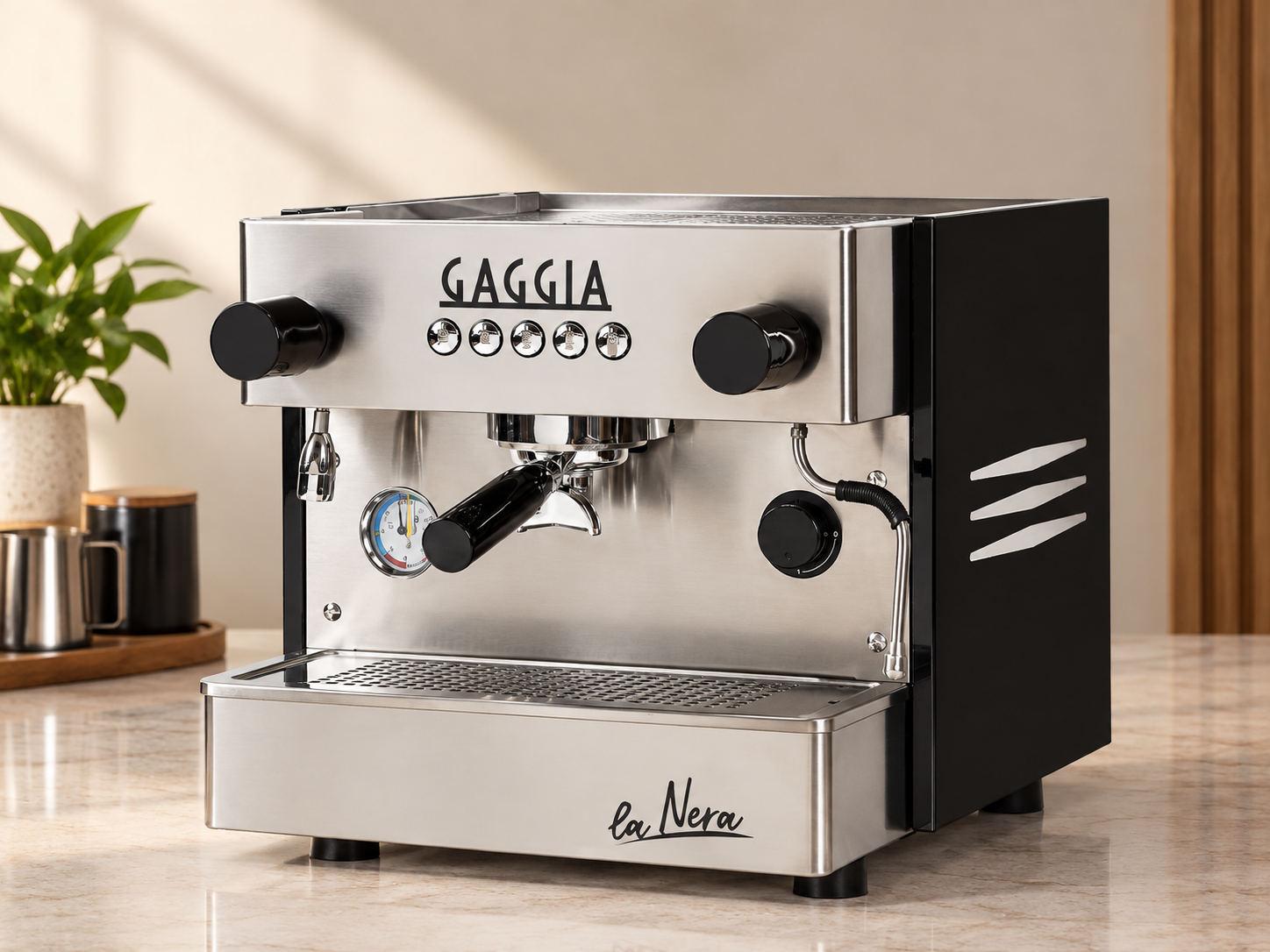
The Gaggia La Nera One-Group Traditional Coffee Machine is worth considering if your business is built around espresso-based drinks and you want a professional machine without starting with a larger two-group setup.
Its one-group configuration makes it a practical option for a compact coffee bar, a small café or a dessert shop adding a dedicated espresso menu.
Why consider it?
- Professional traditional espresso preparation.
- A compact one-group configuration.
- Suitable for businesses that want barista-led coffee service.
- A useful starting point for a focused espresso menu.
Best for: A startup café expecting moderate demand and planning to serve espresso, cappuccino and latte-style drinks.
Budget tip: Remember to account for a suitable grinder, installation, water arrangements, accessories and barista training when calculating the full cost of your setup.
Option 2: Gaggia Ruby Pro 2 Group — For a Café Expecting Higher Demand
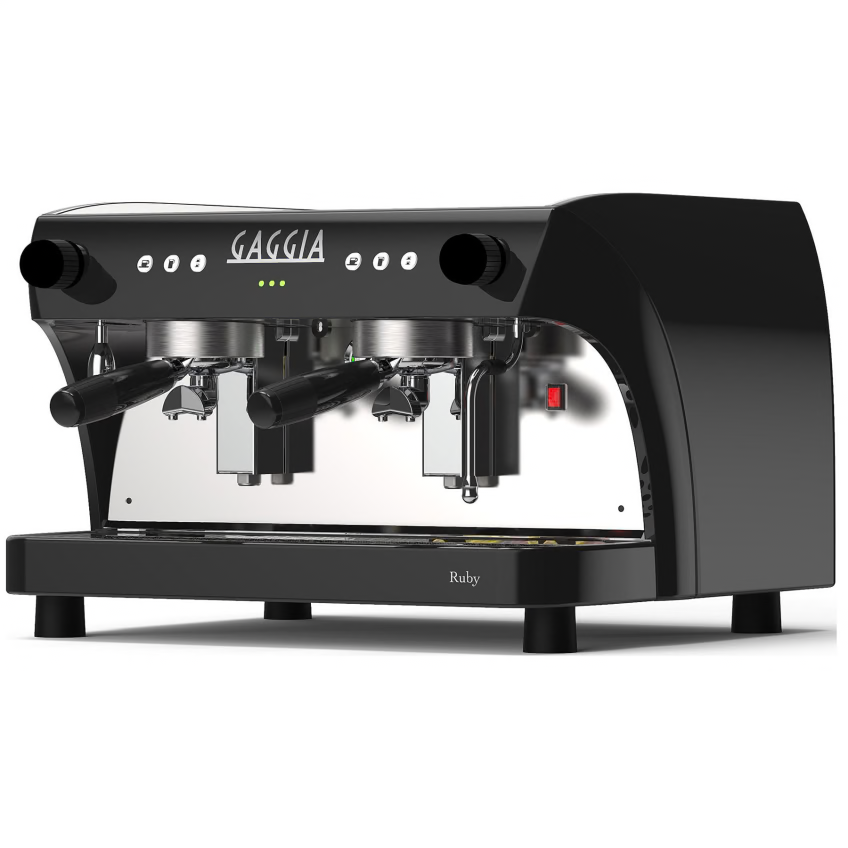
If you expect several orders to arrive together, a two-group espresso machine may be a better fit.
The Gaggia Ruby Pro 2 Group Traditional Coffee Machine is listed by EBC and it features programmable dose selections, a steam wand and a hot-water outlet. Its two-group configuration can help a trained barista manage multiple espresso preparations more efficiently during busy periods.
The product information indicates that it is suited to environments serving around 200 drinks per day. Actual throughput will depend on the menu, staff skills, workflow and peak-hour demand.
Why consider it?
- Two group heads for espresso preparation.
- Programmable dose selections.
- Steam wand for milk-based drinks.
- A suitable option for cafés planning for busier service periods.
Best for: Established small cafés, growing coffee shops and food businesses expecting substantial espresso demand.
Budget tip: A two-group machine is not automatically the best choice for every startup. If your expected sales are modest, you may get better value from a smaller setup and invest the difference in coffee quality, staff and customer acquisition.
Option 3: Gaggia G100 Coffee with 2 Solubles — For Automated Drink Service
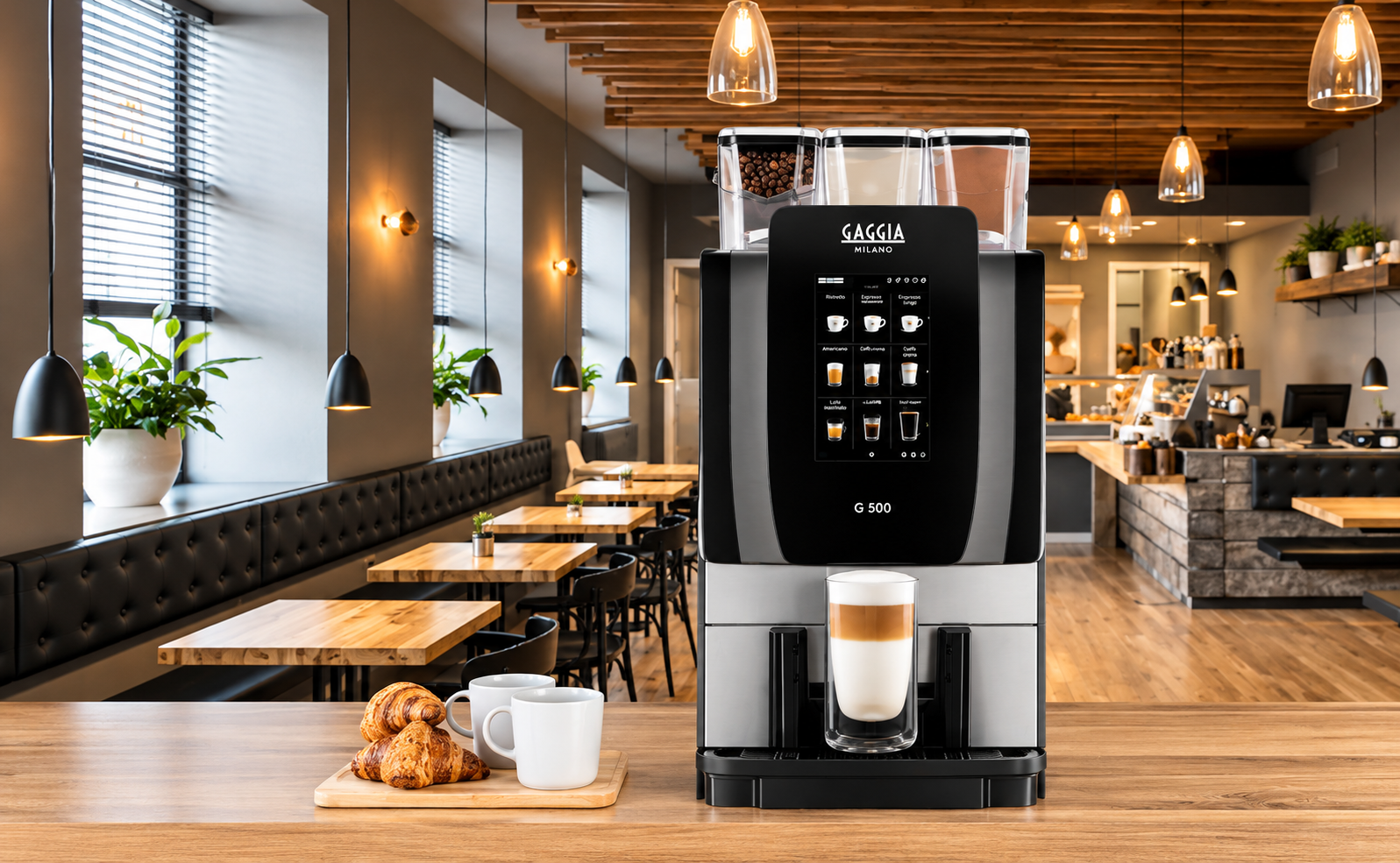
Not every business needs a traditional barista-led coffee station. If you want a more automated setup, the Gaggia G100 Coffee with 2 Solubles Automatic Coffee Machine is an option to consider.
This commercial bean-to-cup machine combines coffee brewing with two soluble ingredient canisters, allowing businesses to offer a broader selection of drinks depending on the machine’s configuration. Its features include a customisable touchscreen and an adjustable dispensing area.
Why consider it?
- Automated drink preparation.
- Coffee and soluble ingredient options.
- A touchscreen interface.
- Potentially simpler service for businesses with limited barista capacity.
Best for: Hotels, restaurants, office coffee stations and businesses that prioritise convenience and repeatable drink preparation.
Budget tip: Before purchasing, confirm the exact drinks the machine can prepare, whether its milk system suits your menu, and whether your premises can accommodate the required water connection.
Option 4: Necta Krea Touch — For a Convenient Self-Service Setup
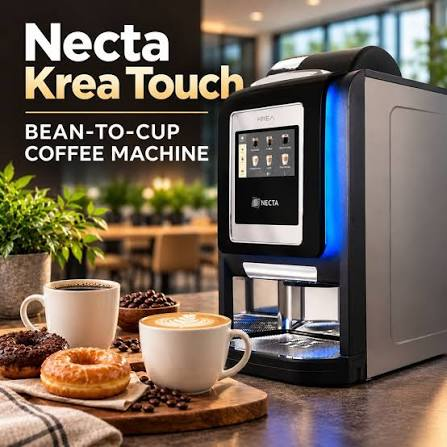
For a business that prioritises convenient, automated beverage service, the Necta Krea Touch Commercial Coffee Machine is another option to investigate.
A machine like this may be worth evaluating for office coffee points, hospitality settings or other environments where users need a straightforward way to select and dispense drinks.
Why consider it?
- Touchscreen-based drink selection.
- An automated approach to beverage preparation.
- Potential suitability for self-service environments.
Best for: Businesses where convenience and a simplified user experience matter more than a traditional barista-led service.
Before committing, confirm the machine’s drink menu, installation requirements, current lead time and suitability for your expected daily volume.
Option 5: EBC Café Startup Offer — For Entrepreneurs Building Their First Espresso Setup
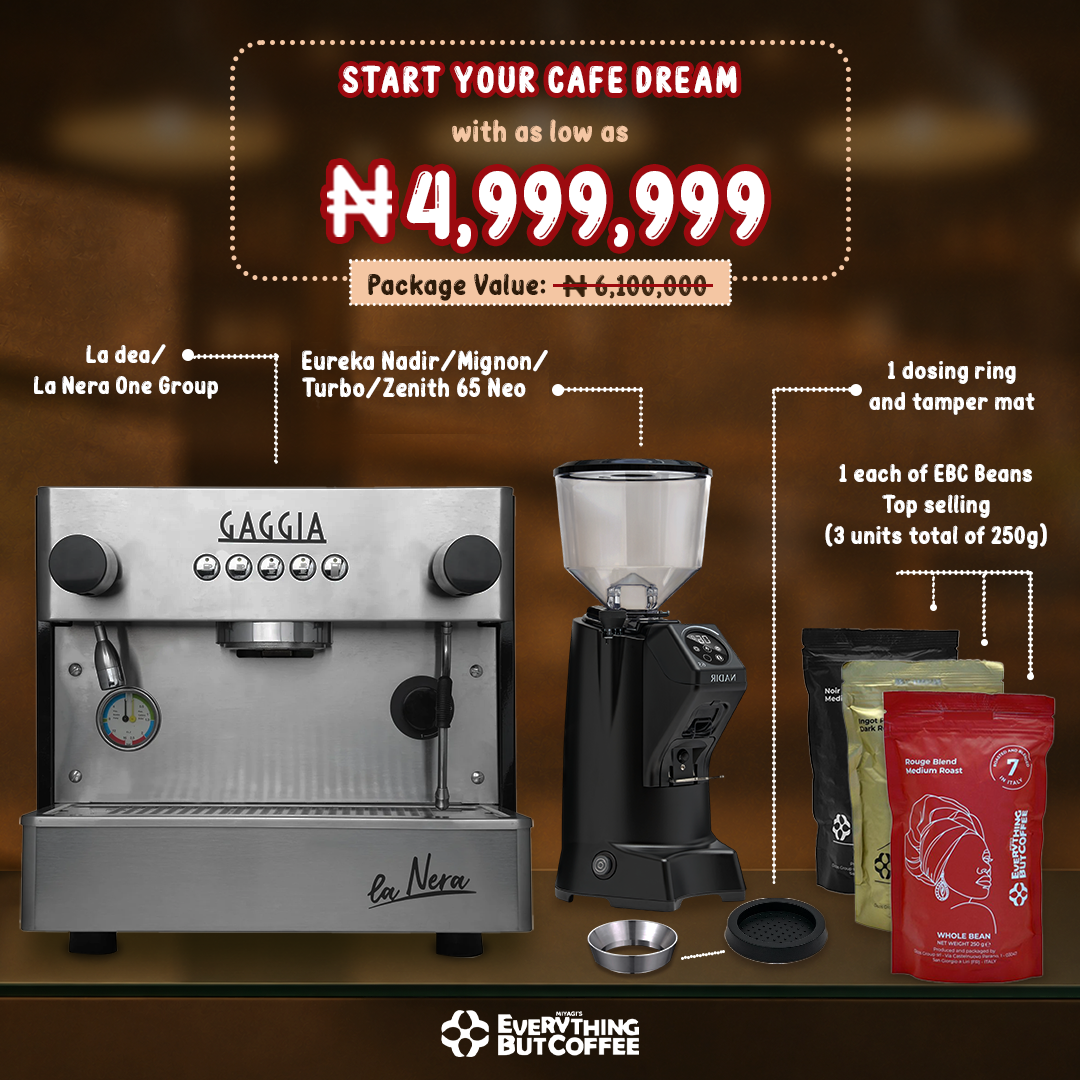
If you are starting a café from scratch, purchasing the machine, grinder and accessories separately can make budgeting more complicated.
The EBC Café Startup Offer brings several essential items together in one package.
The advertised package includes:
- A choice of Gaggia La Dea or La Nera one-group espresso machine.
- A choice of Eureka grinder options.
- Three 250g packs of EBC coffee beans.
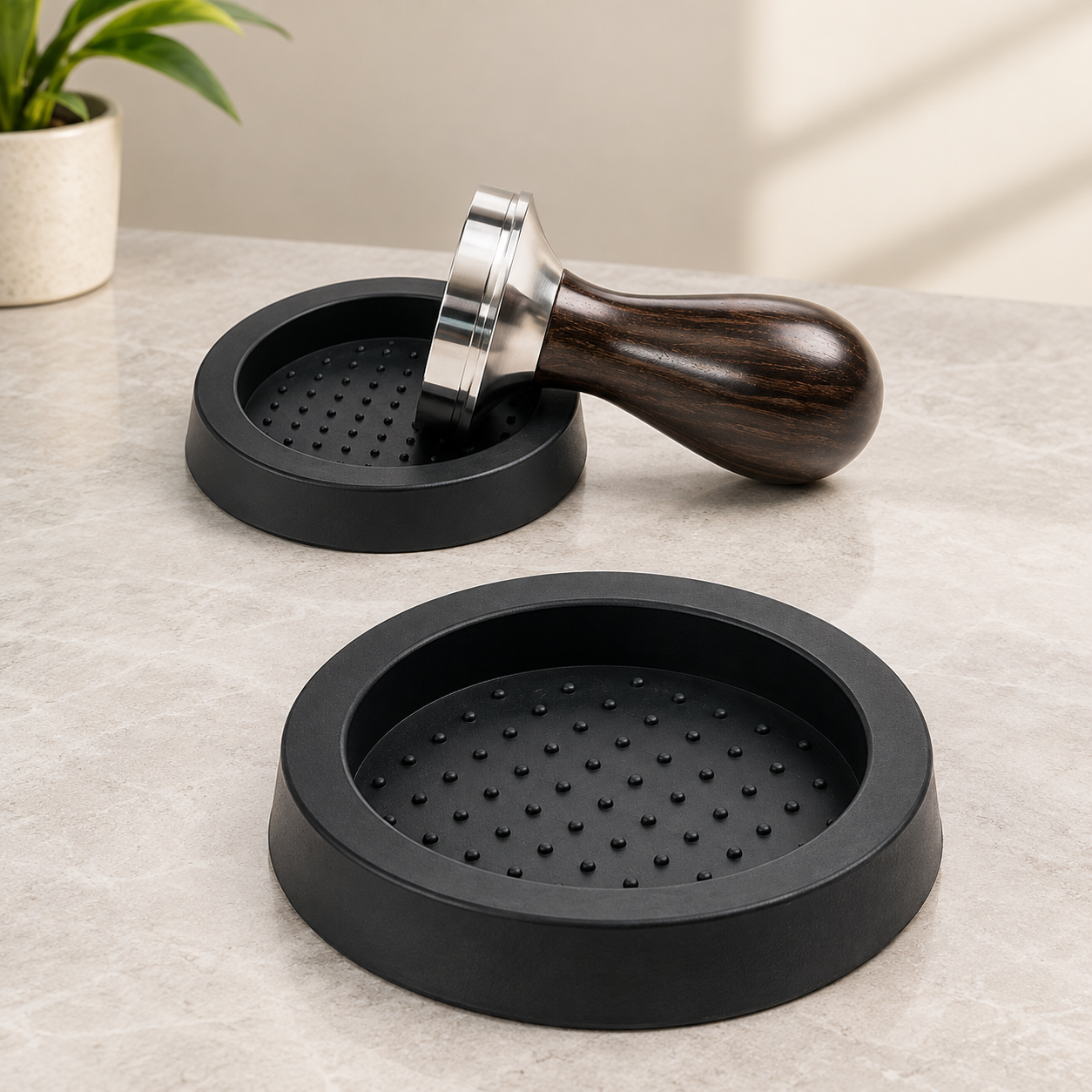
- A dosing ring.
- A tamper mat.
The offer has been advertised at ₦4,999,999, against a stated package value of ₦6.1 million.
This approach can simplify your initial equipment selection because you are considering the espresso machine alongside a grinder and basic barista accessories, rather than treating each purchase as a separate decision.
Best for: First-time café owners, small coffee bars, bakery cafés and dessert shops preparing to launch an espresso-based menu.
Important: Confirm the current offer price, stock, available machine and grinder combinations, and package terms directly with EBC before making payment.
3. Quick Comparison: Which Machine Is Right for Your Business?
| Coffee machine | Best suited to |
| Gaggia La Nera, one group | Small espresso-focused cafés |
| Gaggia Ruby Pro, two groups | Cafés expecting higher espresso demand |
| Necta Krea Touch | Automated and self-service environments |
| Gaggia G100 with 2 solubles | Automated coffee and soluble drinks |
| EBC Café Startup Offer | Entrepreneurs buying core espresso equipment together |
Prices and stock status are subject to change. The machines are not direct substitutes: compare their drink capabilities, installation needs and operating costs before deciding.
Explore the full EBC commercial coffee machine collection to review the available options.
4. Five Things to Consider Before Buying a Commercial Coffee Machine
Choosing the best commercial coffee machine for your café involves more than comparing prices. Consider these five factors before making your investment.
1. Your expected daily sales
Estimate how many drinks you expect to sell on a normal day and during peak periods.
A machine that works well for a small coffee bar may not be ideal for a busy café with long queues. However, buying equipment designed for much higher volumes than you expect can also strain your startup budget.
Use realistic sales estimates rather than assuming your café will operate at full capacity from its first week.
2. Your menu
Your menu should influence your equipment choice.
If you plan to focus on espresso, cappuccino, latte and americano, a traditional espresso machine paired with a suitable grinder may be the right setup.
If you want to offer a wider range of automated beverages, consider a bean-to-cup machine with the appropriate ingredient canisters and drink functions.
Check each model’s capabilities before assuming it can prepare every beverage you want to sell.
3. Your total equipment budget
The price of a commercial coffee machine is only one part of your startup cost.
Remember to budget for:
- A compatible coffee grinder, if required.
- Coffee beans, milk and other ingredients.
- Scales, tampers and other barista tools.
- Cups, lids and takeaway packaging.
- Water supply and any necessary filtration.
- Installation, staff training and maintenance.
- Electricity, cleaning products and ongoing operating expenses.
A sensible budget leaves enough room to operate the business after the equipment arrives.
4. Space and installation requirements
Measure your available counter space before ordering a machine. Check its dimensions, electrical requirements, ventilation needs where applicable, and access for cleaning and maintenance.
Some commercial machines require a direct water connection and do not have an internal tank. This is an important consideration when planning a small café, mobile coffee station or temporary pop-up.
Do not assume that every commercial machine can be installed in the same way.
5. Maintenance and staff training
Your machine should be practical for the people who will use it every day.
Traditional espresso machines require barista skills and regular cleaning. Automatic machines reduce some manual steps but still need routine maintenance, cleaning and correct operation.
Before purchasing, ask about the warranty, servicing arrangements, spare parts, cleaning requirements and training support available for the model.
5. How to Start a Café Without Overspending on Equipment
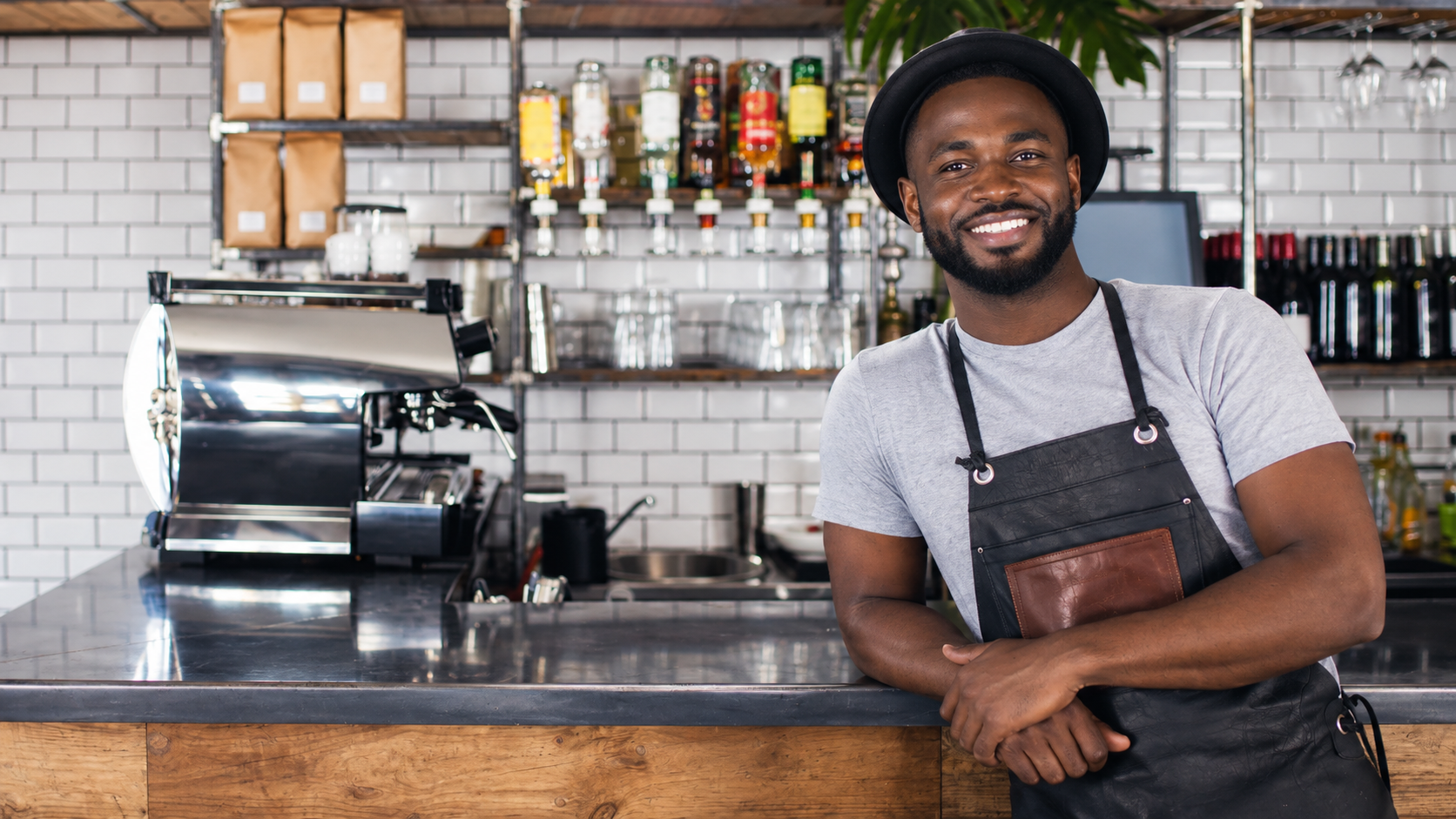
If you are launching your first café, focus on building a setup that supports your initial menu and expected sales.
Start with the essentials. A focused menu is easier to manage than offering every possible coffee drink from day one.
Choose capacity based on demand. Avoid buying a larger machine simply because it looks more impressive. Make sure the investment matches your likely sales and service requirements.
Do not overlook the grinder. For a traditional espresso setup, grinder quality and consistency are important parts of preparing good coffee. The machine alone will not guarantee great results.
Keep working capital aside. You still need money for ingredients, staff, rent, utilities, marketing and unexpected expenses after buying your equipment.
Plan for growth. If you expect demand to increase, consider whether your initial machine can support your growth or whether a later upgrade will be necessary.
For a more detailed look at machine types and prices, read EBC’s guide to coffee machines for cafés in Nigeria.
You can also explore EBC’s guide to bean-to-cup coffee machines in Nigeria if you are comparing automated equipment.
6. Where Can You Buy Commercial Coffee Machines in Nigeria?
Everything But Coffee supplies coffee machines, grinders and accessories for businesses and coffee enthusiasts in Nigeria.
Whether you are setting up a small espresso bar, adding coffee to an existing restaurant or planning an automated beverage station, EBC’s commercial range gives you different equipment options to evaluate.
Start by browsing the commercial coffee machines at EBC. If you are building your first espresso setup, review the EBC Café Startup Offer and confirm the current package details.
Before ordering, discuss your expected daily drink volume, menu, available space and installation requirements with the EBC team so you can identify a machine that suits your business.
Final Thoughts: Choose the Machine That Fits Your Café
The best commercial coffee machine for a small café is not necessarily the most expensive or the one with the most features. It is the machine that fits your menu, budget, staff capabilities and expected demand.
For an espresso-focused startup, a one-group machine such as the Gaggia La Nera may be worth considering. A café expecting higher espresso demand could evaluate the Gaggia Ruby Pro two-group machine, while businesses that prioritise automated beverage preparation may prefer a bean-to-cup option.
If you are buying your first espresso setup, the EBC Café Startup Offer may also be worth exploring, subject to current availability and package terms.
Ready to start your café?
Explore commercial coffee machines at Everything But Coffee and choose equipment that supports your business from the first cup to the next stage of growth.