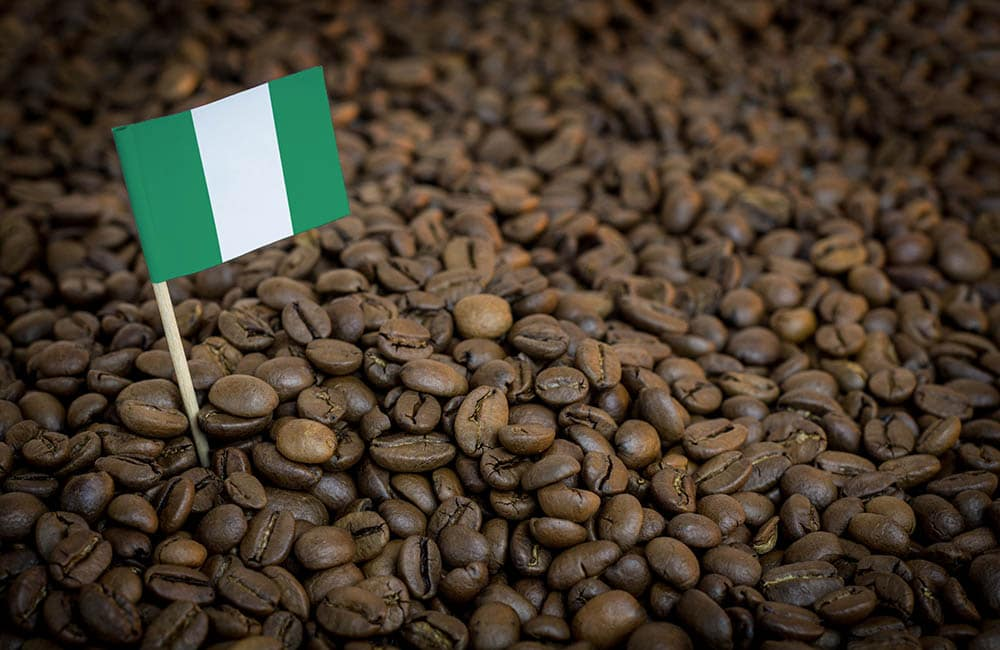

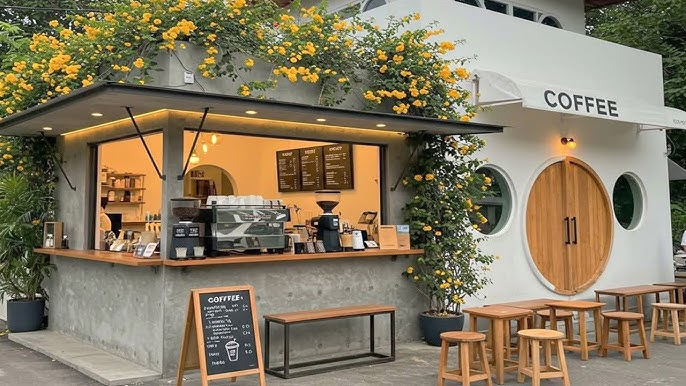
Coffee culture in Nigeria is growing rapidly. What used to be a niche luxury is now a thriving opportunity in malls, offices, campuses, and high-traffic urban areas.
If you’re looking to start a small-format coffee shop or kiosk in Nigeria in 2026, this guide breaks down:
- Realistic startup costs
- Equipment requirements
- Location strategy
- Profit margins
- Break-even timeline
- Compliance requirements
And yes — you can start under ₦5 million.
The Coffee Shop Opportunity in Nigeria
Nigeria’s urban middle class is expanding. Coffee consumption is rising due to:
- Remote work culture
- Mall and lifestyle center growth
- Corporate environments
- Youth exposure to global café culture
- Social media aesthetics
Small-format coffee bars (not large sit-down cafés) are especially profitable because:
✔ Lower rent
✔ Smaller staff
✔ Limited menu
✔ Faster ROI
✔ Easier management
Why a Small Coffee Bar Model Works
Instead of opening a full café, consider a:
- Mall kiosk
- Office building coffee stand
- University campus cart
- Church or event center coffee bar
- Mini takeaway coffee shop
This keeps startup costs controlled while maintaining strong margins.
Realistic Coffee Shop Startup Cost in Nigeria (2026)
Below are updated 2026 market-based estimates.
1. Essential Equipment Costs
| Equipment | Estimated Cost (₦) |
| Commercial Espresso Machine (2-group entry level) | ₦1,500,000 – ₦2,500,000 |
| Coffee Grinder (Commercial grade) | ₦250,000 – ₦600,000 |
| Small Display Fridge (for milk & desserts) | ₦250,000 – ₦450,000 |
| Water Filtration System | ₦120,000 – ₦250,000 |
| Blender (for frappes) | ₦60,000 – ₦150,000 |
| Utensils, tampers, pitchers, tools | ₦100,000 – ₦200,000 |
Total Equipment:
₦2,280,000 – ₦4,150,000
2. Initial Stock (1 Month Supply)
| Item | Estimated Cost (₦) |
| Coffee Beans (multiple blends) | ₦250,000 – ₦500,000 |
| Syrups (vanilla, caramel, hazelnut) | ₦120,000 – ₦250,000 |
| Milk supply | ₦120,000 – ₦250,000 |
| Cups, lids, sleeves | ₦80,000 – ₦150,000 |
| Sugar, chocolate powder, toppings | ₦40,000 – ₦100,000 |
Total Inventory:
₦610,000 – ₦1,250,000
3. Setup & Branding (Small Format)
| Item | Estimated Cost (₦) |
| Kiosk fabrication / interior setup | ₦600,000 – ₦1,200,000 |
| Signage & lightbox | ₦150,000 – ₦300,000 |
| Basic seating (optional small area) | ₦200,000 – ₦500,000 |
Total Setup:
₦950,000 – ₦2,000,000
4. Licenses & Compliance
- CAC Registration: ₦15,000 – ₦30,000
- LGA Permit: ₦10,000 – ₦25,000
- Food Handler Certificate: ₦10,000 – ₦20,000
- Environmental Health Approval: ₦10,000 – ₦25,000
Estimated Compliance Total: ₦45,000 – ₦100,000
Total Estimated Startup Investment (2026)
💡 Lean Setup: ₦3.8M
💡 Mid-Range Setup: ₦4.5M – ₦5M
This assumes:
- Small footprint
- Controlled menu
- No heavy interior luxury design
Choosing the Right Location
Your location determines whether you break even in 3 months or 12.
High-Performing Locations
✔ Inside shopping malls
✔ Business districts
✔ Corporate office buildings
✔ Universities
✔ Busy roadside takeaway hubs
Avoid
❌ Residential backstreets
❌ Areas without consistent electricity
❌ Overcrowded areas with many established cafés
What Works for Small Coffee Shops
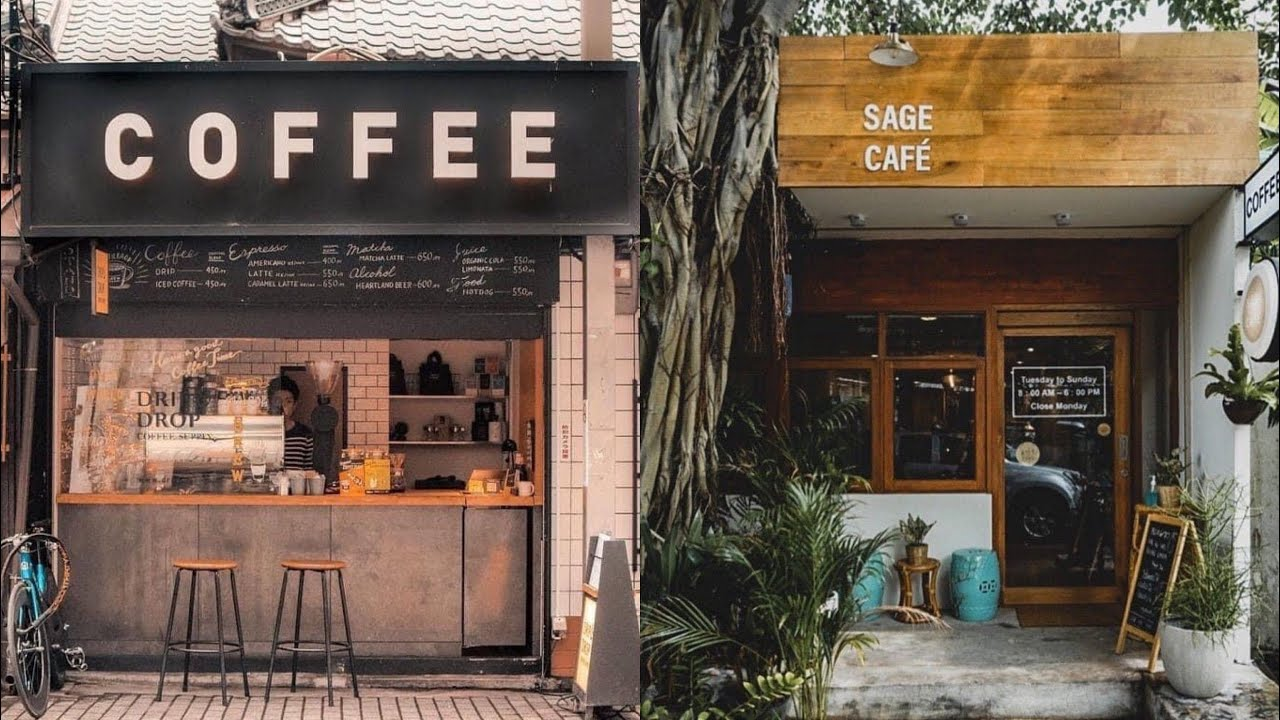
To succeed in Nigeria:
✔ Keep menu focused
✔ Train staff properly
✔ Maintain equipment regularly
✔ Price correctly
✔ Offer fast service
Speed matters. Most customers want takeaway.
Menu Strategy for a Small Coffee Bar
Start simple.
Core menu:
- Espresso
- Americano
- Cappuccino
- Latte
- Mocha
- Caramel Latte
- Vanilla Latte
Optional additions:
- Iced coffee
- Frappes
- Hot chocolate
Avoid starting with 25+ drinks. Simplicity improves profitability.
Pricing Strategy in Nigeria (2026)
| Drink | Average Selling Price (₦) |
| Espresso | ₦2,000 – ₦2,500 |
| Cappuccino | ₦3,000 – ₦3,800 |
| Latte | ₦3,200 – ₦4,000 |
| Flavoured Latte | ₦3,500 – ₦4,500 |
| Frappe | ₦4,000 – ₦5,000 |
Profit Margin Breakdown
Average cost per cup (beans, milk, cup):
₦900 – ₦1,500
Average selling price:
₦3,500
Estimated gross profit per cup:
₦2,000 – ₦2,600
Coffee has very strong margins when priced correctly.
Example Monthly Revenue Projection
Assume:
- 70 cups per day
- ₦3,500 average sale
- 26 working days
Daily revenue: ₦245,000
Monthly revenue: ₦6,370,000
Estimated expenses (rent, salary, utilities, ingredients):
₦3M – ₦4M
Estimated monthly net profit:
₦1.8M – ₦2.5M
Red Flags to Avoid
| Red Flag | Impact |
| Cheap home espresso machine | Inconsistent quality |
| Poor grinder | Bad taste |
| Untrained staff | Lost repeat customers |
| Underpricing | No profit |
| No branding | Low visibility |
Break-Even Analysis
If startup cost = ₦4.5M
Monthly net profit = ₦2M
Break-even timeline:
3 – 6 months (good location)
6 – 9 months (average location)
Getting Started – Step by Step
- Register your business
- Secure high-traffic location
- Purchase commercial espresso machine & grinder
- Install water filtration system
- Stock quality coffee beans & syrups
- Train baristas
- Launch with promotional campaign
Final Thoughts: Is a Small Coffee Shop Worth It in Nigeria (2026)?
Yes — if you:
✔ Choose the right location
✔ Invest in proper equipment
✔ Keep menu focused
✔ Maintain quality control
✔ Price strategically
A small coffee kiosk can generate strong recurring income when operated correctly.
If you’re ready to start your coffee business, EBC Coffee Start up Pack is available on sale:
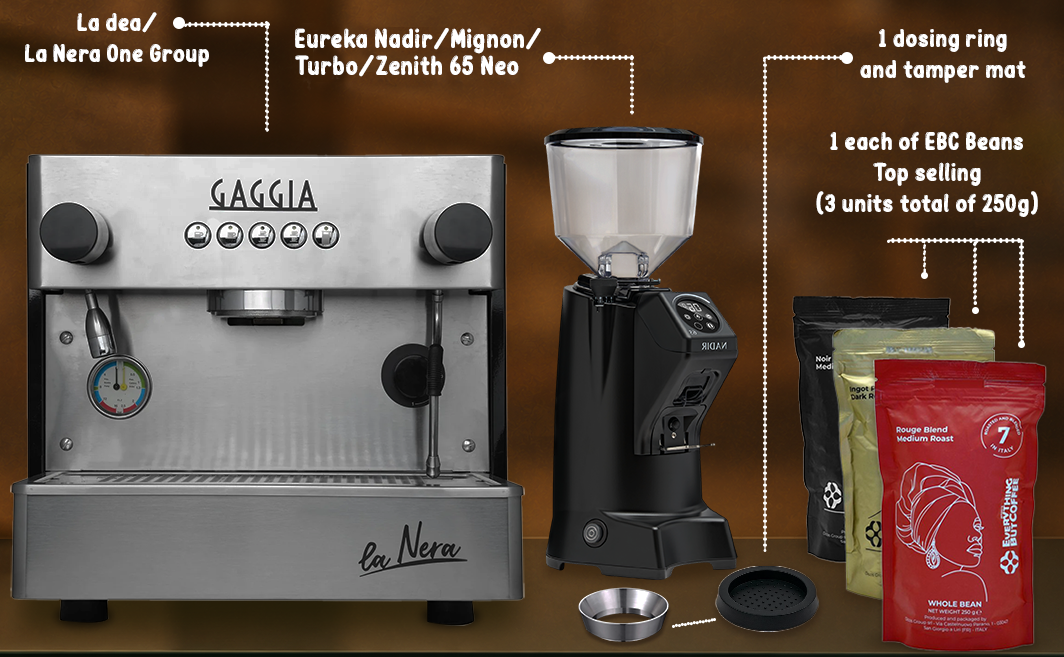
👉 Contact EBC today to get started with your coffee bar setup.